
Jeopardy
"Jeopardy!" is one of the most distinctive quiz shows in television history, instantly recognizable for turning the usual question-and-answer format around. Contestants are given clues presented as answers and must respond in the form of a question.
Since its debut in 1964, the show has tested players across an enormous range of subjects, from science and history to literature, geography, entertainment, and wordplay. Its restrained presentation keeps attention firmly on knowledge, speed, and strategy.
How the Game Board Works
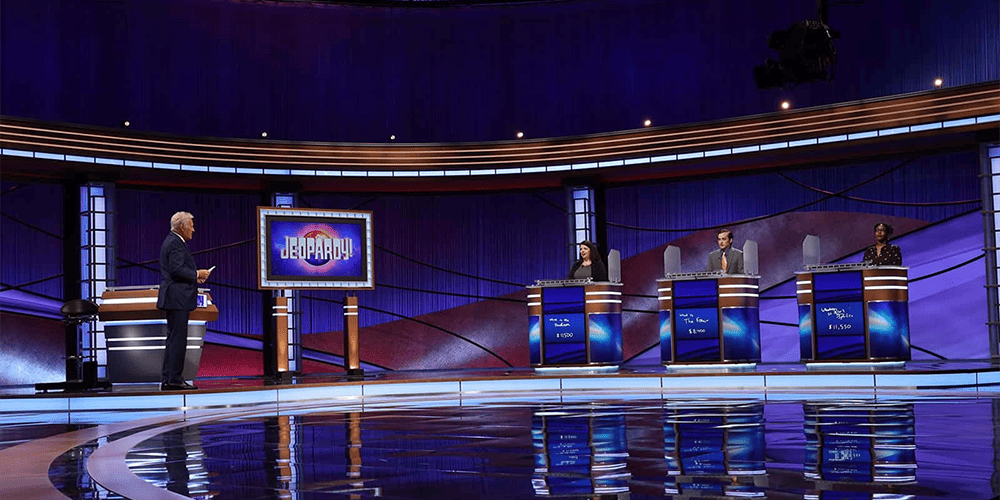
Three contestants compete at individual podiums. The opening Jeopardy! Round contains six categories with five clues in each, arranged by increasing value. A player selects a category and clue, after which contestants use signaling devices to determine who gets the first opportunity to respond.
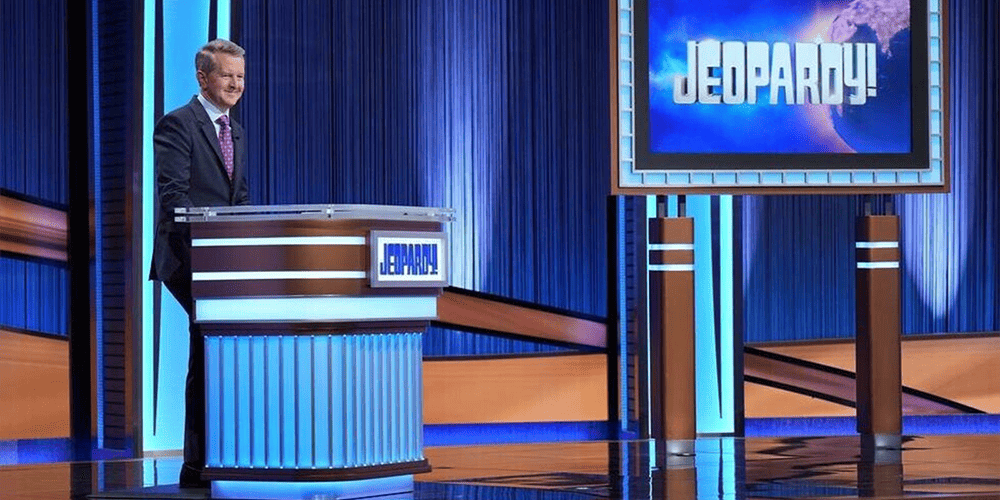
Correct responses add to a contestant’s score, while mistakes can reduce it. The player who answers correctly controls the board and chooses the next clue. The game then moves into Double Jeopardy!, which introduces six new categories, higher clue values, and additional opportunities for scores to change dramatically.
Daily Doubles and Wagering
Hidden among the clues are Daily Doubles. When a contestant uncovers one, only that player may respond, but first they must decide how much of their score to wager.
This makes Daily Doubles some of the most important strategic moments in the game. A confident player can use one to build a major lead, while an unsuccessful wager may completely reshape the standings.
The placement of these clues also rewards contestants who understand the board and choose categories strategically rather than simply moving through them in order.
Final Jeopardy!
The last stage brings all eligible contestants to a single clue. Before seeing it, they are told the category and secretly decide how much of their current score to wager.
Once the Final Jeopardy! clue appears, contestants have limited time to write their responses. The answers and wagers are then revealed one at a time, often changing the winner in the final seconds of the episode.
Because contestants must wager before knowing the clue itself, the final is as much about reading the scoreboard and choosing the right strategy as it is about knowledge.
More Than Simple Trivia
"Jeopardy!" rewards several skills at once. Contestants need broad knowledge, but they must also recognize wordplay, interpret clues quickly, master the buzzer, and make intelligent wagering decisions.
The same structure makes the show easy to play along with at home. Viewers can attempt every clue, compare their responses with the contestants, and discover which categories match their own areas of expertise.
A Recognizable Television Style
The game board, blue clue screens, podiums, theme music, and countdown during Final Jeopardy! have become familiar pieces of American television culture. The presentation remains polished but deliberately uncluttered, allowing the questions and contestants to provide most of the drama.
The host keeps the game moving by reading clues, confirming responses, explaining rulings, and briefly speaking with the contestants between rounds.
An Enduring Quiz Show
Since first appearing in 1964, "Jeopardy!" has produced memorable champions, tournaments, international adaptations, and countless references in popular culture.
Its longevity comes from a formula that needs little embellishment: challenging clues, rapid competition, strategic wagers, and the satisfaction of finding the correct response before the players on screen. That combination has made "Jeopardy!" a benchmark for television quiz shows across generations.