
Classic
Who Wants to Be a Millionaire?

Game shows have taken many forms over the years, from traditional studio quizzes to large-scale competitions built around teamwork, endurance, strategy, or quick thinking. This section brings those different styles together, making it easier to explore how varied the genre can be.

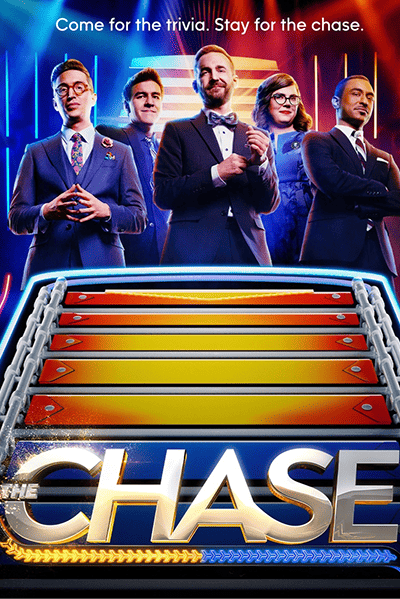



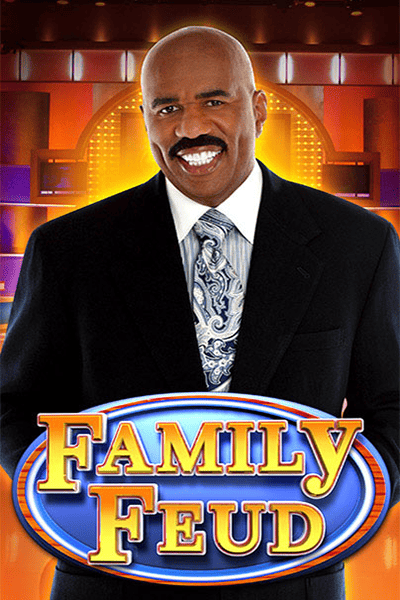






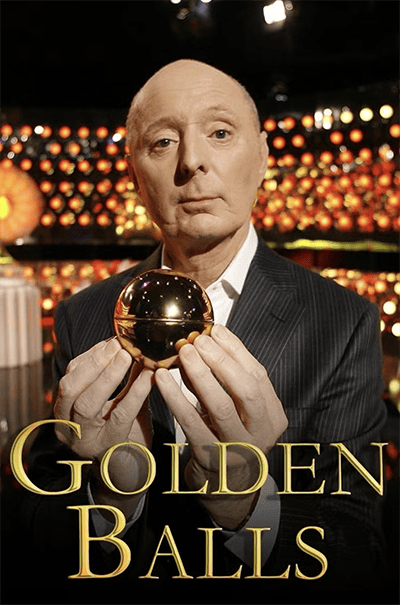


Some shows are fast and straightforward, with contestants answering questions or completing short challenges. Others develop more slowly, relying on strategy, cooperation, observation, or changing relationships between participants. There are also formats built around physical tests, unusual environments, and multi-stage competitions where each round introduces something new.
Together, they show how flexible the game show formula has become while still keeping the familiar qualities that have made the genre popular on television for decades.
The catalog covers several broad types of television formats:
These categories are not always strict. Many famous game shows combine different mechanics, which is often what gives them a distinctive identity.
Every show page provides an overview of the format and explains what makes it recognizable. This may include the central concept, the structure of the competition, the role of the host, recurring rounds, and the way contestants progress through an episode.
The pages also look at the atmosphere and pacing of each program. Some formats depend on rapid decisions and constant movement, while others build tension gradually through questions, challenges, or strategic choices.
Visual style, studio design, signature elements, and memorable rules can also play an important role. In long-running shows, these details often become just as recognizable as the competition itself.
One reason television game shows have remained popular is their ability to adapt. A simple quiz can become a major international format, while a physical challenge can grow into a large entertainment production. Other programs succeed by focusing on personality, humor, teamwork, or unusual ideas rather than complex rules.
This variety means that two shows can belong to the same genre while creating completely different viewing experiences. Some are easygoing and familiar, while others are designed around tension, spectacle, or constant surprises.
Many current game shows still use principles established by earlier television classics: simple objectives, clear rounds, recognizable hosts, and a strong final stage. At the same time, newer productions often introduce larger sets, more elaborate challenges, interactive elements, and faster visual storytelling. The result is a genre that continues to evolve without losing its core identity. Familiar formats return in updated versions, while new concepts experiment with different combinations of knowledge, strategy, physical ability, and entertainment.
This catalog brings those approaches together in one place, offering an overview of both established favorites and newer game show formats from across television.