
Let's Make a Deal
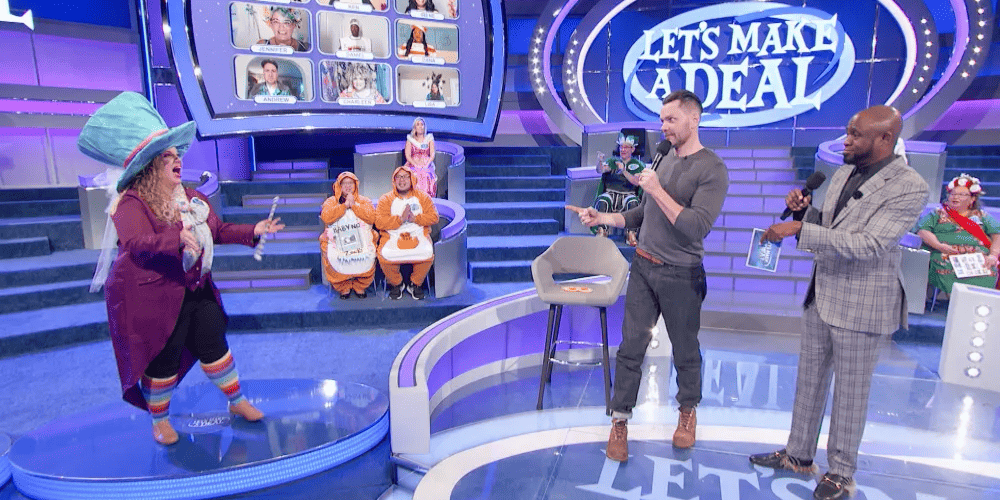
"Let’s Make a Deal" is a long-running American game show built around choices, surprises, and the possibility that almost anything could be hiding behind a curtain or inside a box. Contestants are usually selected from an enthusiastic studio audience, many of whom arrive in elaborate costumes hoping to catch the host’s attention.
Instead of answering a series of quiz questions, players are asked to make decisions: keep what they already have, trade it for something unseen, or accept a new offer. The appeal comes from never knowing whether the next choice will improve their situation or lead to an unexpected twist.
How the Deals Work
Each episode is made up of several different games and negotiations. A contestant might begin with cash, a visible prize, or an item whose value has yet to be revealed. The host then introduces alternatives, often asking the player to choose between keeping the current reward and exchanging it for a mystery option. Some deals involve doors, curtains, boxes, envelopes, or combinations of several choices. Others add extra decisions along the way, giving contestants repeated opportunities to stop or continue.
Because the structure changes from game to game, the show can move quickly from a simple trade to a multi-stage decision with several possible outcomes.
The Famous Zonks
Not every hidden prize is desirable. Zonks are deliberately comic rewards that can appear when a contestant makes an unfortunate choice. They may take the form of absurd props, ridiculous objects, or other humorous reveals rather than a genuine prize.
The Zonk became one of the program’s defining features because it turns losing into part of the entertainment. Viewers often know that a disappointing reveal is possible, but the exact joke remains a surprise.
An Audience That Is Part of the Show
The studio audience gives "Let’s Make a Deal" much of its personality. Costumes, handmade signs, cheers, and spontaneous reactions create an atmosphere closer to a celebration than a traditional quiz set.
Contestants may ask nearby audience members for advice before making a decision, while friends and strangers often react just as strongly as the person on stage. That constant participation makes each reveal feel larger and helps distinguish the program from more formal game shows.
The Host and Presentation
The host acts as both game master and negotiator, explaining each offer while keeping contestants talking through their choices. Humor and improvisation are especially important because much of the entertainment comes from the interaction surrounding the deal rather than the rules alone.
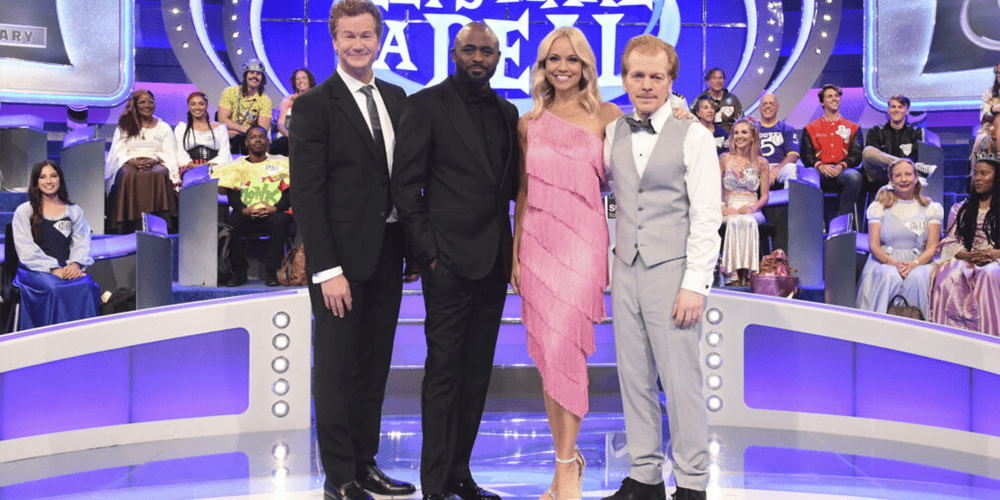
Bright sets, dramatic curtains, oversized props, music, and carefully timed reveals reinforce the sense that something unexpected may happen at any moment.
A Television Format Built to Last
"Let’s Make a Deal" first appeared on American television in 1963 and has since returned in multiple versions while inspiring adaptations around the world. Its basic concept has remained remarkably durable because almost any object, prize, or decision can become part of a deal.
The show’s costumes, mystery curtains, Zonks, and constant invitations to trade have become recognizable pieces of game-show culture. Decades after its debut, the format still works for the same reason it always has: every choice creates a new question about what might be waiting on the other side.