
The Wheel of Fortune
"Wheel of Fortune" is one of the most recognizable game shows in American television history. Its central idea has remained remarkably simple: contestants spin a giant wheel, guess letters, and try to solve hidden word puzzles before their opponents.
The combination of an instantly understandable game, colorful studio presentation, and puzzles that viewers can solve from home has made the format accessible to generations of audiences. The wheel, puzzle board, familiar sound effects, and recurring phrases have all become part of the show’s identity.
How the Game Works
Contestants take turns spinning the wheel, which is divided into spaces carrying different values and special instructions. After the wheel stops, the player calls a consonant. If that letter appears in the puzzle, every matching position is revealed and the contestant receives the corresponding value for each occurrence.
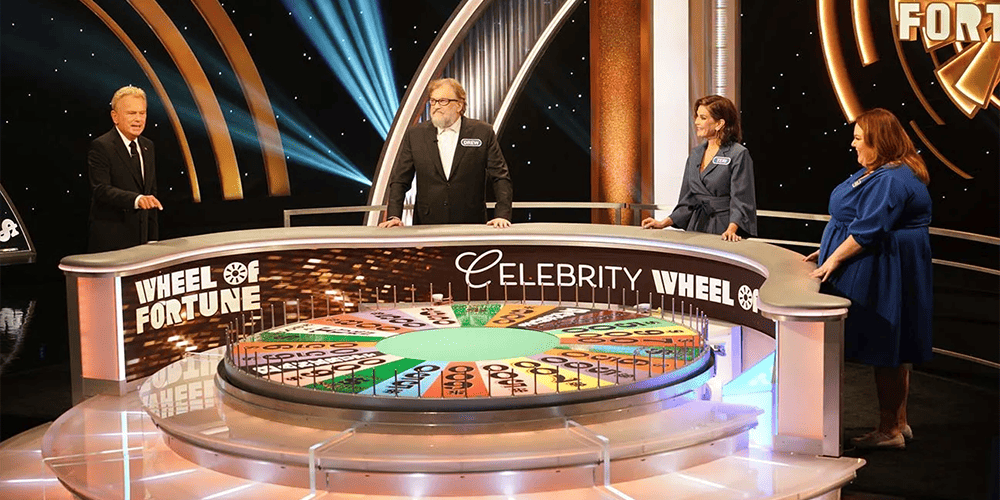
Players can continue spinning, attempt to solve the puzzle, or use part of their accumulated total to buy a vowel. An incorrect letter or an unsuccessful solution ends the turn, while spaces such as Bankrupt and Lose a Turn can suddenly change the course of a round.
Each puzzle belongs to a category that gives contestants an additional clue. The first player to identify the complete phrase wins the round, and the competition continues through several puzzles before the episode moves toward its final stage.
The Wheel at the Center of the Show
The oversized spinning wheel is much more than a scoring device. Its movement, distinctive clicking sound, and brightly marked spaces give every turn a short moment of suspense before the result is known.
Over the years, the show has introduced special spaces and features that add new possibilities to individual rounds. Their details have changed between seasons, but the basic purpose remains the same: one spin can create an advantage, interrupt a strong run, or give another contestant an opportunity to take control.
Few television game-show props are as immediately identifiable. Even without seeing the contestants or puzzle board, the sight and sound of the wheel are closely associated with the program.
Solving the Puzzles
The other defining element is the puzzle board. Correct letters gradually fill the empty spaces, turning an apparently impossible phrase into something viewers and contestants can begin to recognize.
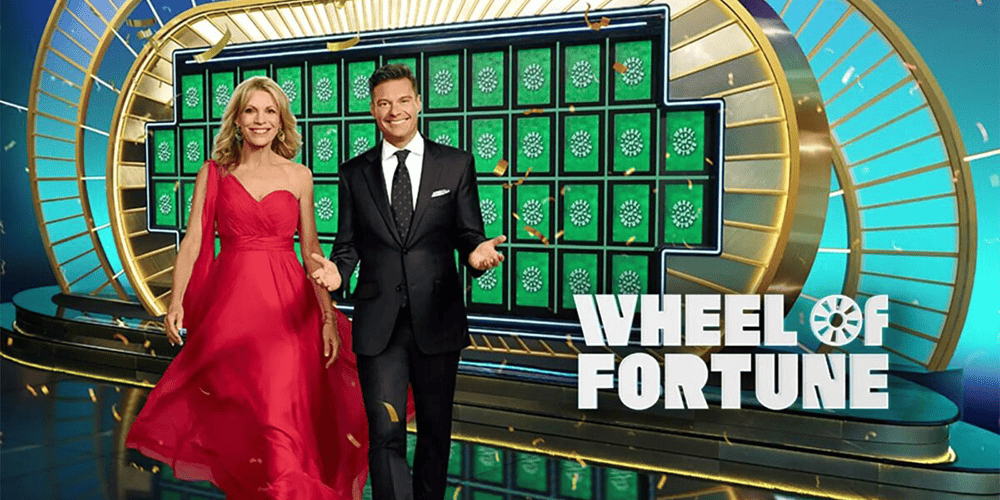
The categories range across everyday expressions, titles, names, places, entertainment, and other familiar subjects. Because the puzzles depend on pattern recognition as much as factual knowledge, audiences can participate naturally from their own living rooms and often reach the answer before anyone in the studio.
Vanna White’s role at the puzzle board has also become one of the show’s longest-running visual traditions. Her presence has connected different eras of "Wheel of Fortune" and remains closely associated with the format.
The Bonus Round
After the main game, the leading contestant advances to the Bonus Round. Instead of competing against other players, they face one final puzzle under a strict time limit.
A selection of letters is revealed automatically, after which the contestant chooses additional consonants and a vowel. Once those letters appear on the board, only a few seconds remain to identify the answer. The compact structure makes the Bonus Round an effective finale: the entire episode comes down to a single puzzle and one last attempt to solve it.
Hosts and Television Style
For decades, Pat Sajak and Vanna White formed the on-screen partnership most closely associated with the syndicated version of the show. Sajak’s relaxed humor and conversational approach helped give "Wheel of Fortune" its informal, family-friendly character.
Ryan Seacrest took over as host in 2024, beginning a new era alongside Vanna White. While the personalities on screen have evolved, the presentation continues to emphasize the elements audiences know best: the wheel, clear puzzle graphics, quick transitions, and an upbeat studio atmosphere.
A Television Classic
Since its debut, "Wheel of Fortune" has grown far beyond a single American program. Versions of the format have appeared internationally, while celebrity editions and special episodes have introduced variations on the familiar game.
Its influence is also visible in everyday popular culture. Expressions such as “I’d like to buy a vowel” are recognizable even outside the context of the show, and the wheel itself has become shorthand for the entire format.
The lasting appeal comes from a balance that has changed very little: straightforward rules, unpredictable turns, wordplay, and the pleasure of solving a puzzle along with the contestants. That combination has allowed "Wheel of Fortune" to remain familiar while continuing to attract new viewers across different generations.